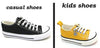

Are you tired of the never-ending struggle with your shoelaces coming undone at the most inconvenient times? Or do you find it challenging to tie shoelaces for your little ones, especially when you're in a hurry? Look no further than the ingenious solution of no tie shoelaces! These revolutionary elastic wonders offer a hassle-free and convenient way to keep your shoes snugly fastened without the need for traditional tying. Whether you're an adult seeking convenience or a parent looking to simplify your child's shoe-tying experience, elastic no tie shoelaces are the perfect fit!
What Are Elastic No Tie Shoelaces?
Before we delve into the ins and outs of using these marvels, let's take a moment to understand what elastic no tie shoelaces are. They are specially designed laces made from stretchy materials, which means they can adapt to the shape and movements of your feet effortlessly. These laces come in a variety of colors, styles, and lengths, making them compatible with virtually any type of shoe.
The Perks of No Tie Shoelaces for Adults
Imagine a world where you never have to worry about bending down to tie your shoes before rushing out the door. With no tie shoelaces for adults, this dream becomes a reality! The benefits are endless:
-
Time-Saving Convenience: Get ready faster in the mornings and eliminate the need for meticulous knot-tying.
-
Comfort and Flexibility: Experience a snug and comfortable fit that moves with your feet, adapting to every step you take.
-
Style and Versatility: No tie shoelaces come in various colors and styles, allowing you to add a touch of personality to your favorite pair of shoes.
-
Ideal for Active Lifestyles: If you're into sports or physical activities, elastic laces provide a secure fit, preventing your shoes from coming undone during intense movements.
How to Use Elastic No Tie Shoelaces
Using elastic no tie shoelaces is a breeze! Here's a simple step-by-step guide to get you started:
-
Remove Old Laces: Take out your traditional laces by unthreading them from the eyelets on your shoes.
-
Trim to Size: Some elastic laces may be too long for certain shoes, so trim the ends to your desired length. Make sure to leave a bit of extra length for easy adjustment.
-
Thread the Laces: Insert the elastic laces through the eyelets just as you would with regular laces. Ensure an even lace distribution on both sides of the shoe.
-
Locking Mechanism: Many no tie shoelaces come with a locking mechanism to secure the fit. Follow the instructions provided by the manufacturer to lock the laces in place.
-
Adjust the Tension: Put your shoes on and adjust the tension of the laces according to your comfort level. You'll find the perfect fit that stays put all day.
No Tie Shoelaces for Kids: A Parent's Best Friend
As every parent knows, tying shoelaces for kids can be a challenging task, especially when little ones are impatient to go out and play. Enter no tie shoelaces for kids, the ultimate savior for parents everywhere! The advantages are unmatched:
-
Easy for Little Fingers: Kids can slip their shoes on and off effortlessly, encouraging independence and self-sufficiency.
-
Safety First: No more tripping over untied shoelaces, reducing the risk of accidents and falls.
-
Great for School Days: No tie shoelaces ensure your child's shoes stay put throughout the school day, letting them focus on learning and fun.
-
Vibrant Colors: Kids love bright and fun colors, and these laces come in a wide array of options to delight their imaginations.
Upgrade Your Footwear Game Today!
Say goodbye to the tedious task of tying shoelaces and embrace the convenience and comfort of elastic no tie shoelaces. Whether you're an adult seeking time-saving solutions or a parent looking to make life easier for your little ones, these laces are a game-changer. Check out our online shop to explore the exciting range of no tie shoelaces and elevate your footwear game to a whole new level. Happy lacing!