
Are you tired of constantly bending down to tie your shoelaces or dealing with loose knots that come undone at the worst times? Enter the ingenious solution of no tie shoelaces – a game-changer in the world of footwear. These elastic wonders offer both adults and kids a convenient and hassle-free way to keep their shoes comfortably snug without the need for traditional laces. Today, we'll dive into the mechanics of how these remarkable no tie shoelaces work and provide you with essential tips on how to use them effectively.
What Are No Tie Shoelaces?
No tie shoelaces are a revolutionary alternative to conventional laces that eliminate the need for tying and untying. Made from high-quality elastic materials, these laces allow you to slip your shoes on and off effortlessly while providing a secure fit throughout the day. They're the perfect choice for anyone seeking comfort, convenience, and style in their footwear.
How Do No Tie Shoelaces Work?
The magic behind no tie shoelaces lies in their ingenious design. Instead of traditional laces that require meticulous knotting, these elastic wonders come in the form of a continuous loop. This loop is threaded through the eyelets of your shoes just like regular laces, but that's where the similarity ends.
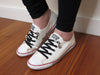
Once you've laced up your shoes with no tie laces, they will stay in place securely, thanks to the elasticity of the material. As you slip your foot into the shoe, the laces adjust to accommodate your foot's shape, providing a custom fit every time. This eliminates any pressure points or discomfort that may arise from traditional laces being tied too tightly or too loosely.
Easy Steps to Use No Tie Shoelaces
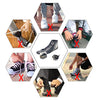
Using no tie shoelaces is a breeze, and it only takes a few simple steps to upgrade your shoe game:
-
Remove Old Laces: Start by taking out your old laces and ensuring the eyelets are clean and free of any debris.
-
Thread the Laces: Thread one end of the no tie lace through the bottom eyelet, just as you would with regular laces. Then, proceed to loop the lace through each eyelet until you reach the top.
-
Adjust the Fit: Once the laces are threaded through all the eyelets, slip your foot into the shoe and adjust the fit to your desired level of comfort.
-
Trim Excess Length: After getting the perfect fit, trim any excess lace length to prevent it from getting in your way. Be cautious not to cut the lace too short; leaving a bit of extra length is always wise.
-
Seal the Ends: Some no tie shoelaces come with end clips or stoppers to secure the lace ends and prevent fraying. If your laces have them, use the clips to secure the ends and ensure durability. For Qlaces, we use locking system so it's very easy to install.
And voilà! You're all set to enjoy the ease and convenience of no tie shoelaces.
For Adults and Kids Alike
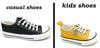
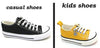
One of the most significant advantages of no tie shoelaces is that they cater to all age groups. Whether you're a busy professional, a fitness enthusiast, or a parent trying to save time during hectic mornings, these elastic shoe laces offer the perfect solution for everyone.
Try No Tie Shoelaces Today and Experience the Differences
Say goodbye to the days of tedious shoelace tying and welcome the comfort and convenience of no tie shoelaces. The elastic shoe laces work like magic, keeping your footwear secure and comfortable throughout the day. With easy installation and a custom fit, they're suitable for both adults and kids, making them a must-have accessory for any shoe collection. So, why wait? Experience the freedom of no tie shoelaces today and take your footwear game to a whole new level.